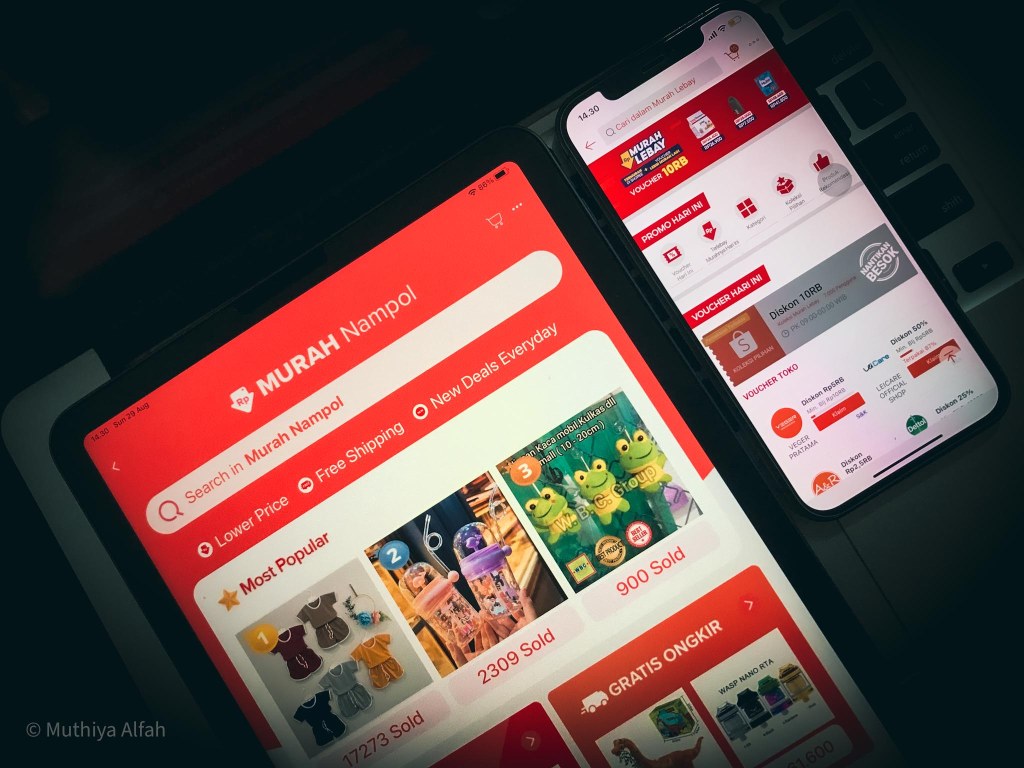
When purchasing online, according to Google Consumer Insights, 87% of shoppers say that knowing whether the deal is attractive is important. What makes the deals attractive include but not limited to relevant recommendation and price. In e-commerce, products displayed on the homepage, search results page, or easy to find pages that are compelling i.e. curated dedicated page such as flash sales, promotions, or top brands, certainly attract more traffic. But these days shoppers develop better sense whether the offering is good usually by looking at the price and shipping fee.
Comparing prices from one e-commerce to another become easier than ever. Either we visit each e-commerce one by one or use price comparison website such as Google Shopping, iPrice, Pricebook, etc. Thus, with internet fueled transparency, it gives more powerful way in shaping people’s perception of a retailer. In retailer business, perception is reality. According to Bain, creating a positive perception in pricing is the single most important priority in retail by a factor of two. Positive price perception could drive more traffic and conversions.
As observed in Indonesia’s top e-commerce in shaping the perception of being the price leader, it is through offering low price everyday and free shipping. Some notably propositions from that have low price strategy are Lazada with “Murah Nampol” (cheapest price), Shopee with “Murah Lebay” (extremely cheap), and Bukalapak with “Murah Mantap” (steady cheap). They have dedicated page on the homepage for curated items that have competitive prices, so that visitors able to see easily. While Tokopedia have “Waktu Indonesia Belanja” (Indonesia’s shopping time) which doesn’t imply low prices, rather to create time-based urgency. I suspect because they focus on marketplace model with limited control of prices, as opposed to Lazada, Shopee, and Bukalapak which have large share of retail business.
Many companies in Indonesia have start to put pricing as strategic agenda. At least 31,000 entries of people in Indonesia on LinkedIn have the job title of pricing. This indicates the need for companies, either to have a centralized pricing team or dedicated headcount accountable for pricing. G2 mention that pricing software surged by 75% last year, that explains the case for my experience in pricing. Due to having a position in pricing, sales reps frequently reach out to me offering pricing solutions. Indeed, there’s a huge potential in developing pricing capabilities reflected in the rise of demand from user companies adopting dynamic pricing strategy and provider companies offering pricing solutions.
Dynamic pricing, according to McKinsey, is what sets the winner apart from other competitors in the market. Simply put, dynamic pricing is the capability to cater the changing market conditions as opposed to fixed pricing. There are two main concepts that I observe from my experience in pricing. First, to understand price variables in the market dynamic. Second, to have the tools and process for price setting. More mature pricing capabilities focus in pricing automation. We’re not adjusting prices for the sake of having the capability to do it. We provide values by driving the business outcomes through pricing. Of course, there is no one-size-fits-all strategy in pricing. That’s why it’s called dynamic, we learn and iterate.
Depending on the size of e-commerce or business model, dynamic pricing capabilities require huge investment, not only in tools and talent, also in rolling out effective promotions or discounts. It is no secret that e-commerce are still burning money for promotions either in the list price or having shipping subsidy, but potentially margin leakages could be coming from not having sufficient pricing analytics and automation. Not setting the right price could leave the money on the table and miss out the opportunity for growth in buyer, traffic, and conversions.
Implications of dynamic pricing comes in two folds. First, e-commerce companies should lay the ground towards automation that help the merchants focus on commercial strategy instead of burdened by manual work of understanding market changes as well as to minimize manual price setting that is prone to human error. Second, pricing is cross-function that requires continuous collaboration among relevant parties. It requires discipline especially in shared monitoring of the pricing decisions that affect both commercial and financial aspects. That also emphasizes the need of having dedicated pricing team and developing relevant skills to support organizational pricing capabilities.
My personal takeaway would be that there is exciting career opportunity in pricing. You’ll be in the front seat to watch market dynamics in the fierce competition of e-commerce. It’s a data intense job that requires analytical skills and conscientiousness, but you will also need solid soft skills to influence and negotiate pricing decisions. Especially for avid online shopper like me, I compare prices a lot before I buy something. Now that I’m in pricing, I get to compare prices for a living.
So, do you compare prices when you shop online? Are you more attracted to cheap prices? Let me know!
 muthiyaalfah.com
Leave a comment